14 May 2010: one hour in Bwindi Impenetrable Forest with a family of wild mountain gorillas.
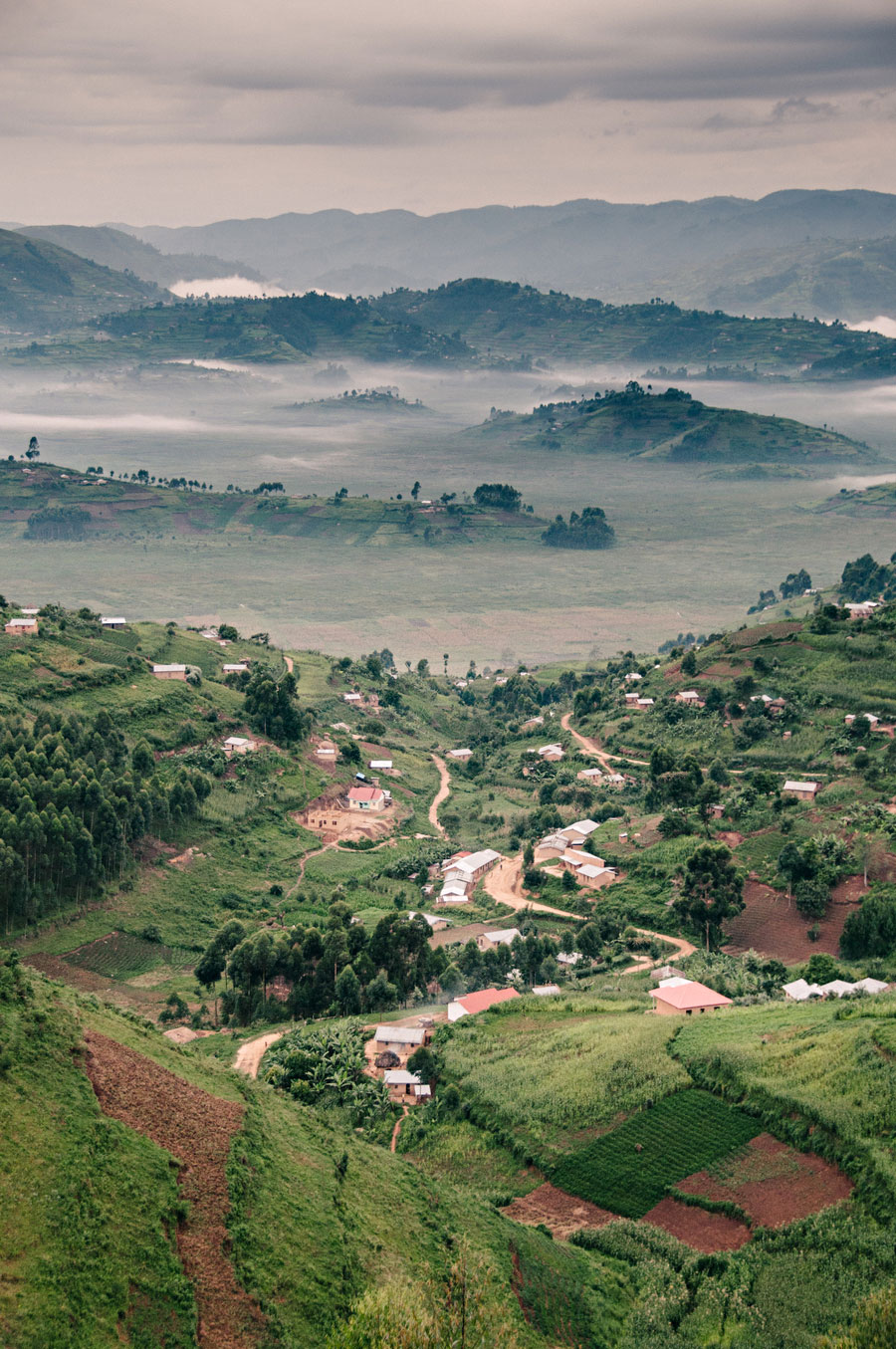
Bwindi Impenetrable National Park
Where? Bwindi Impenetrable National Park, Uganda, East Africa. Home to half the world's population of critically endangered mountain gorillas. The park sits near the borders of Uganda, Rwanda, and the Democratic Republic of the Congo, and the gorillas move freely between these countries.
Getting There
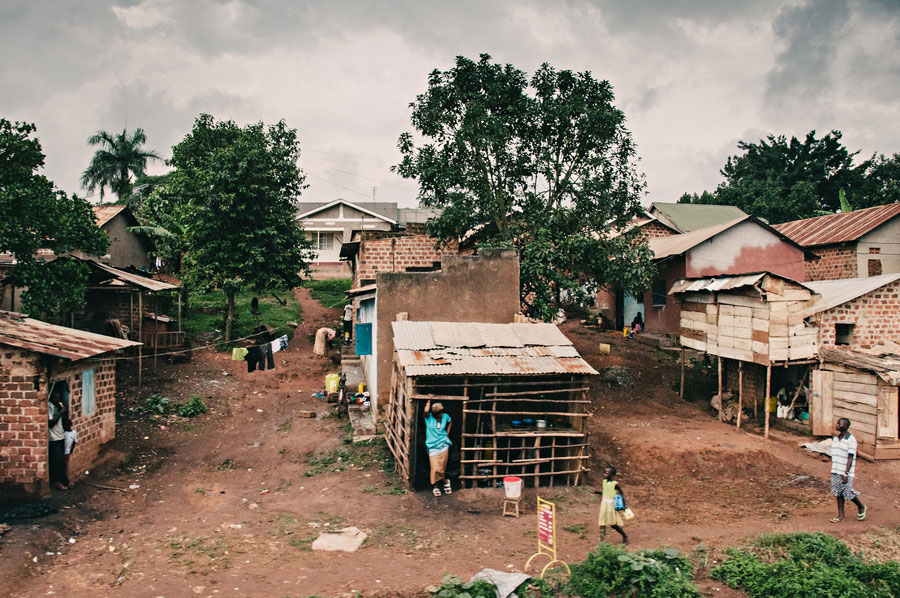
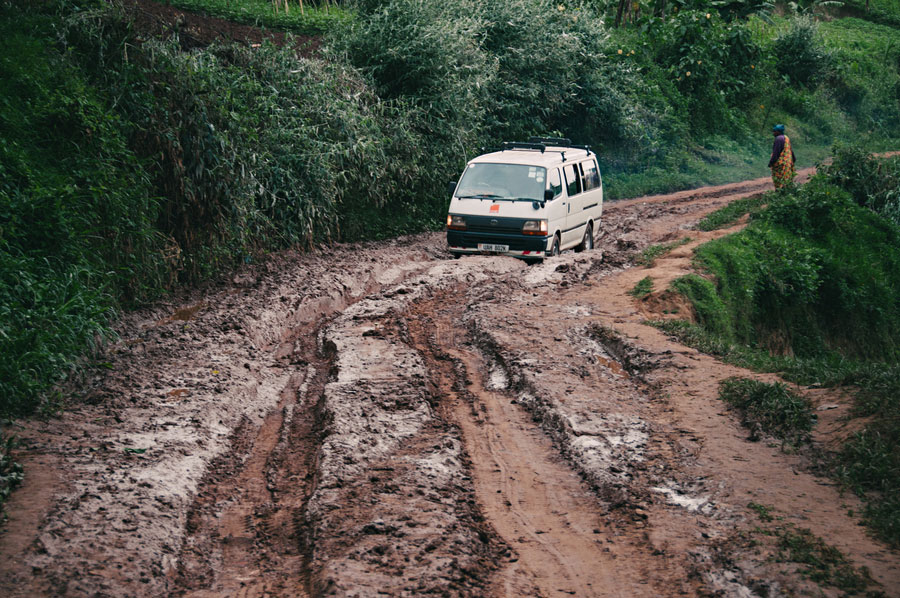
This trip was something I'd been thinking about for over two years, and no amount of thinking prepared me for the real thing. We were up at 4:30am for a two-hour drive along the weather-worn mountain roads from our base camp at Lake Bunyoni. The roads were scary. It had been raining the night before so dirt had become mud and the road felt like a slippery slide on the cliff edges. The vehicle was a 15-year-old 8-seater minivan, the type you'd use for a school excursion or an airport transfer. Sunrise was at 5:30am, so we watched the jungle wake up from the road on the way in.
Into the Jungle
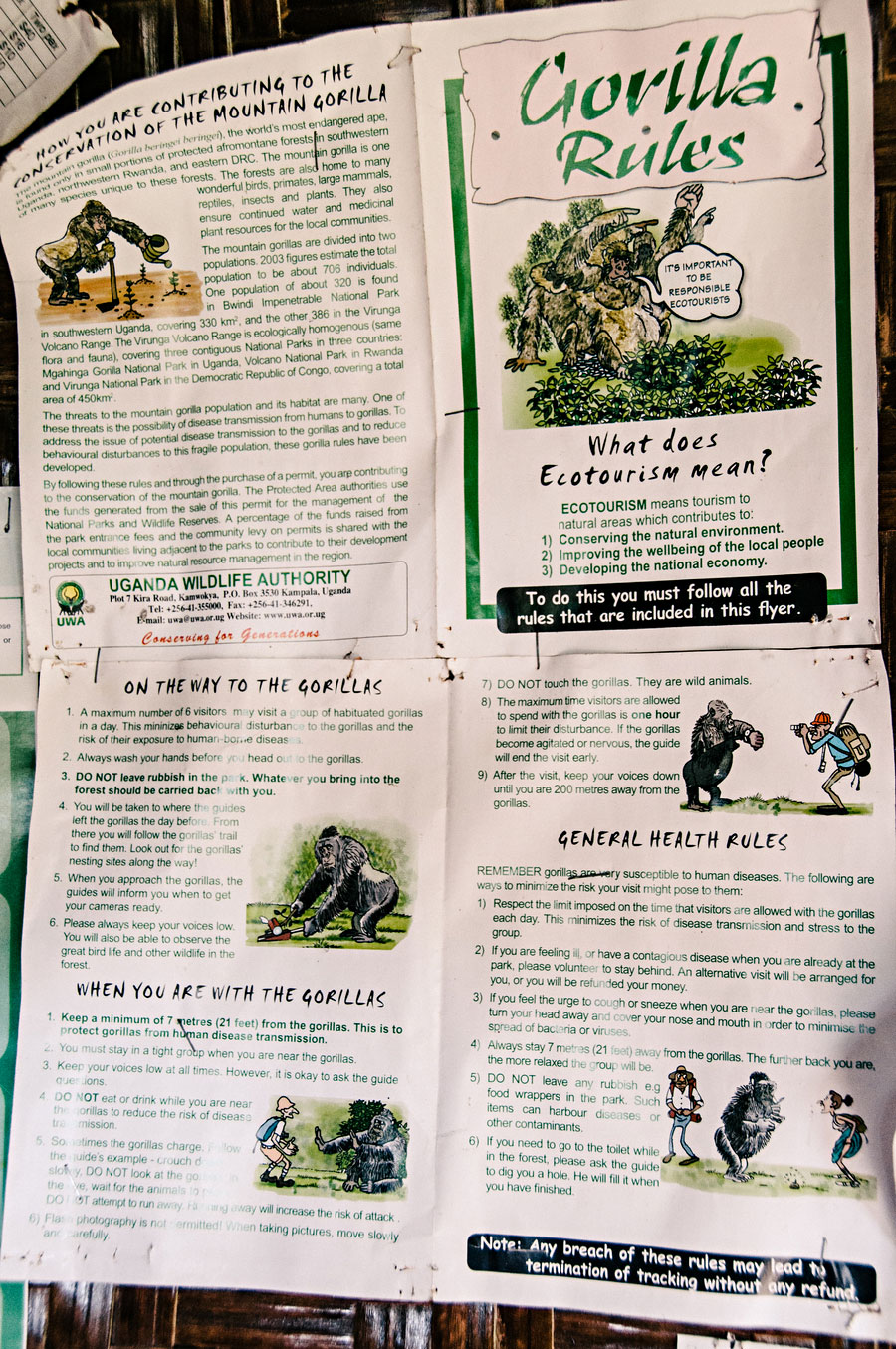
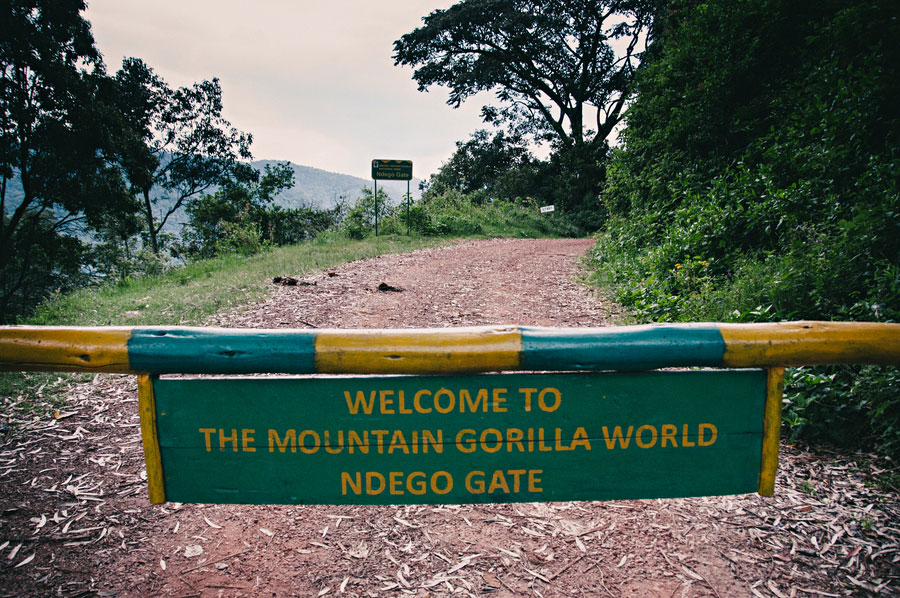
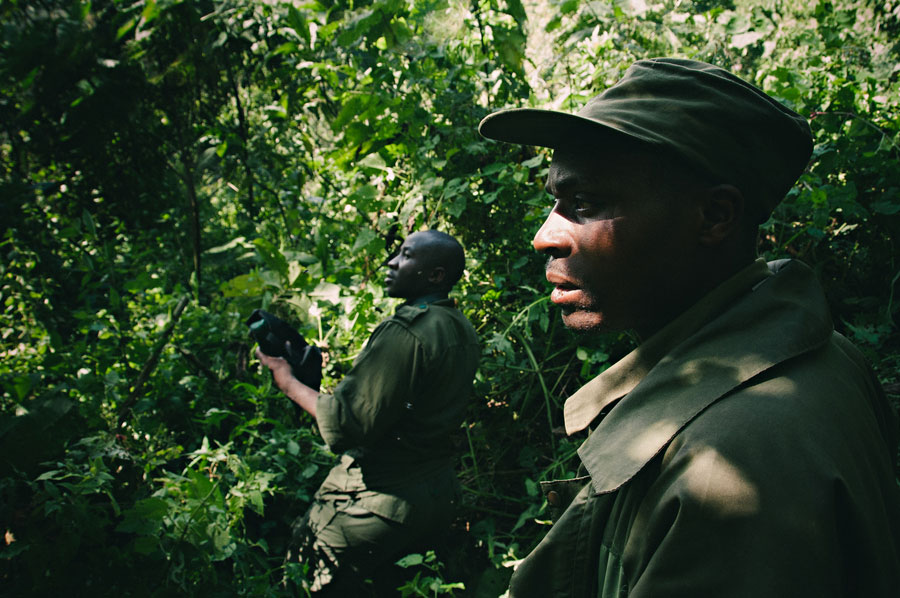
Once through the gates we were told about the 'gorilla rules' then made our way to the drop off point where we hit the jungle by foot. Depending on where the gorillas decide to sleep, the trek can last from 1 to 8 hours, we were on the move for only 45 minutes before finding their nest.
One Hour with the Gorillas
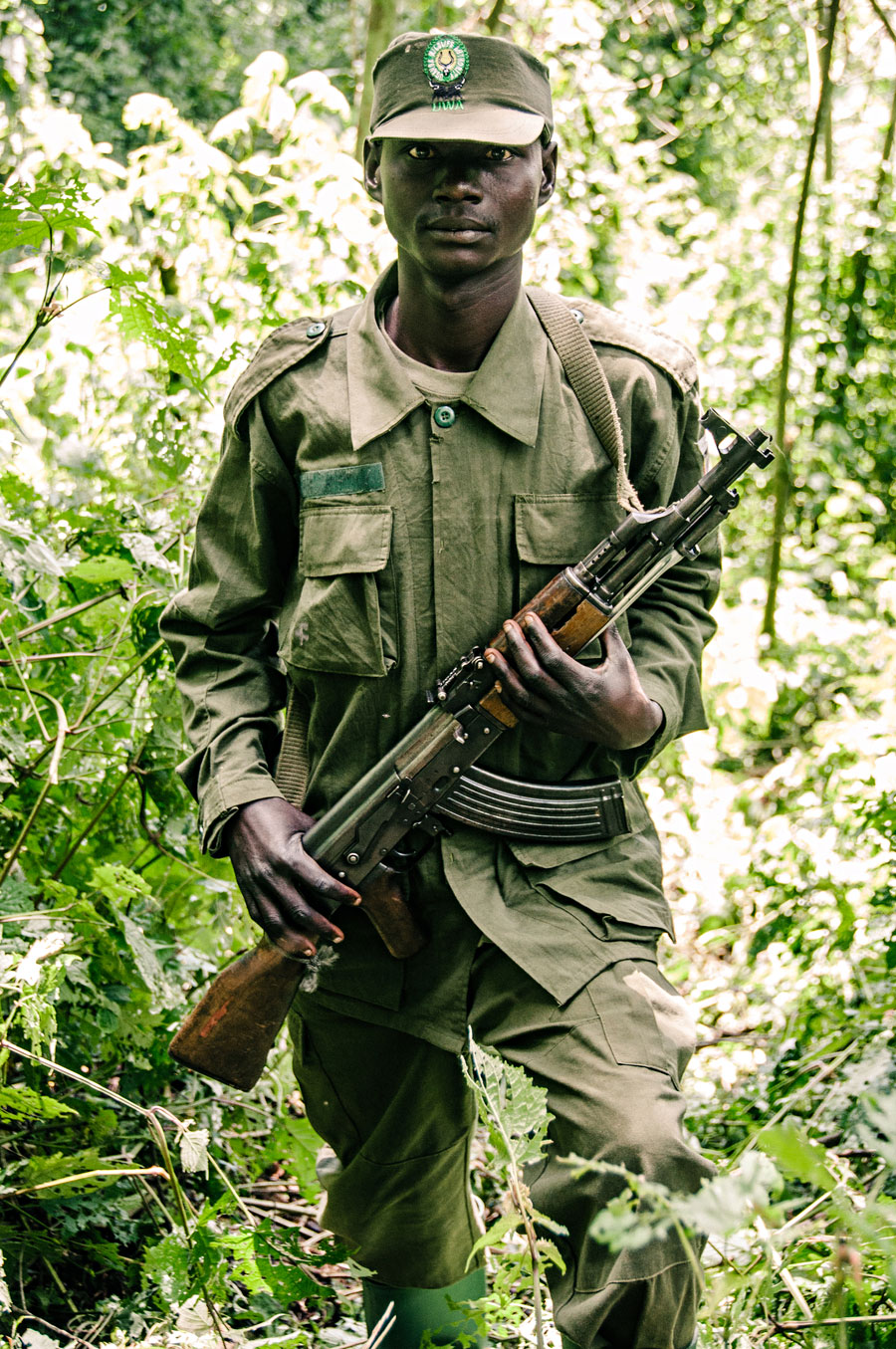
The time with the gorillas is limited to 1 hour per family per day, and each group is limited to 8 people. We were escorted by members of the Ugandan Wildlife Authority who were familiar with the gorilla family and able to communicate with them on a basic level. Also present were armed soldiers from the Ugandan army carrying AK47s to protect the gorillas from poachers, and us from the gorillas. In the past they've been hunted for body parts sold to collectors.
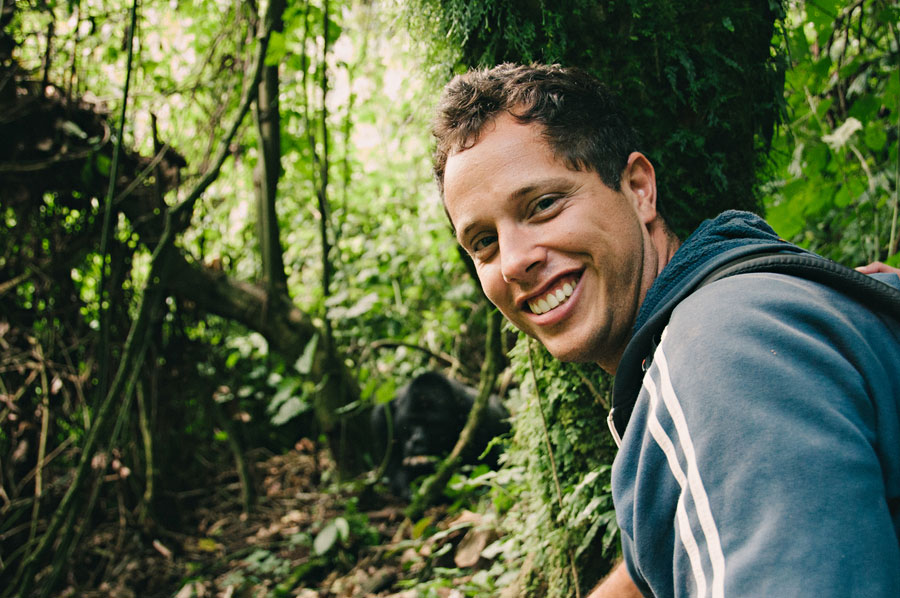
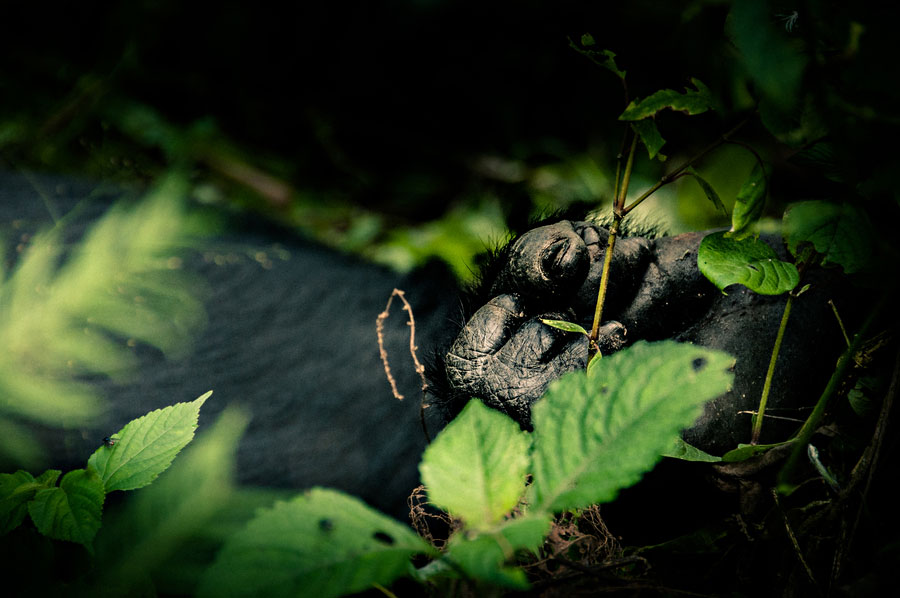
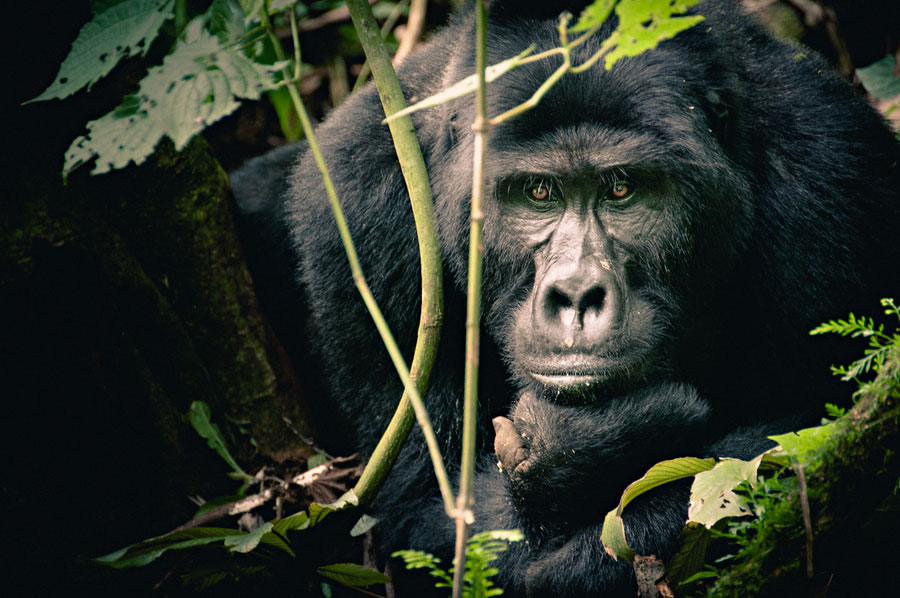
If you're ever in the area, drop in and say hi to the Bitukura family for me.
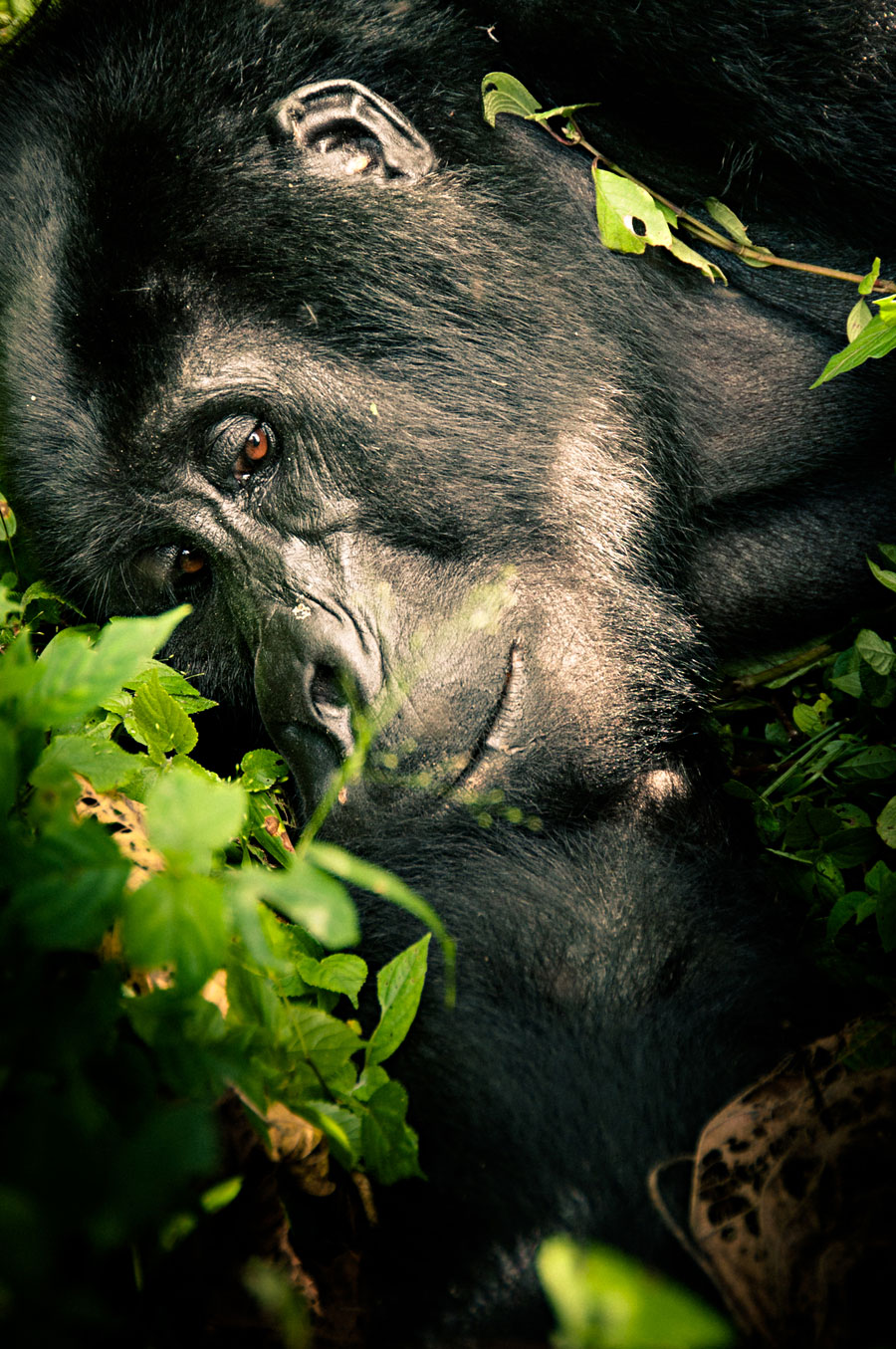
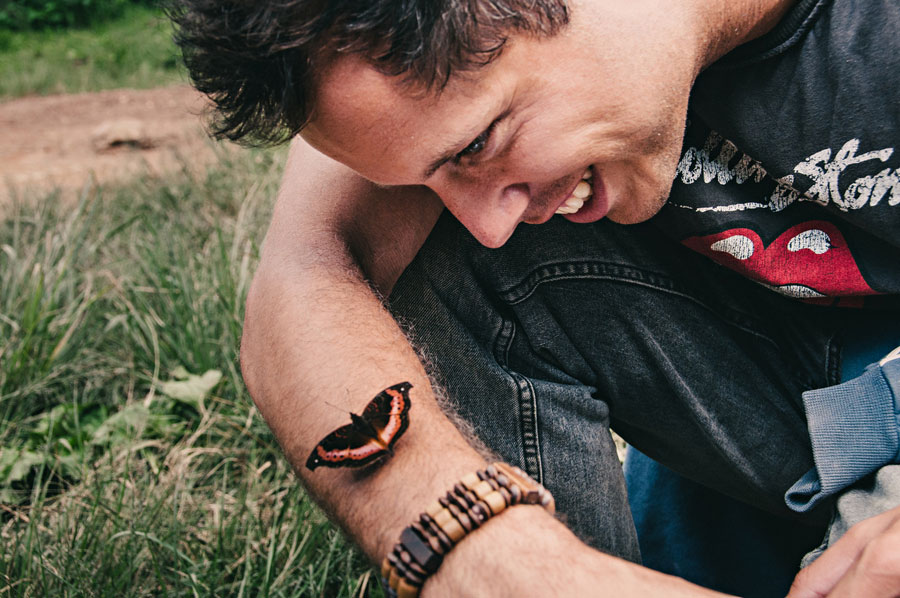
Gorilla fun fact: as humans are uniquely identifiable by fingerprints, gorillas can be identified by their nose prints.
Permits and Planning
Gorilla trekking permits for Bwindi Impenetrable National Park are managed by the Uganda Wildlife Authority. When I went in 2010 it was around $500 AUD. As of 2026, a permit costs USD $800 per person for foreign non-residents. Rwanda's Volcanoes National Park charges USD $1,500 for the same hour with a gorilla family.
I've only trekked Uganda, so what follows is half personal, half research. Rwanda doubled its permit to $1,500 in 2017 and leaned into the luxury end. Lodges like Singita Kwitonda and Wilderness Bisate sit right at the park boundary, booked out months ahead. Volcanoes is a smaller park at higher altitude with bamboo forest and open meadow, and the treks tend to be shorter and more predictable. Uganda kept prices lower and the accommodation range wider, from basic bandas to high-end lodges. Bwindi is thicker forest at lower altitude and harder to walk through. That's where 'impenetrable' comes from.
The trek itself can last anywhere from one to eight hours depending on where the gorillas slept the night before. Ours was 45 minutes. You get exactly one hour with the gorilla family once you find them, in a group of no more than eight people. It goes fast.
The first gorilla we saw was a teenager, high up in a tree. As we walked past he jumped down, looked at us for a while, unsure, then carried on eating his piece of fruit. One of the girls in our group found ants crawling up the inside of her leg under her pants. The jungle is alive, and it's in charge.
The Shoot
I shot on a Nikon D90 with an 18-200mm zoom. The canopy light was low so I kept the ISO high. People in our group popped flash in the gorillas' faces.
Dry seasons are June to September and December to February. Trails are less muddy then. I went in May, which is wet season - muddy drive and drizzle through the trek. Still worth going.
We booked through African Tour Company, who handled permits, transport, and accommodation. Based ourselves at Lake Bunyoni, about two hours from the park gate. Permits sell out months ahead for peak dry season.
The Hour
Sitting three metres from a silverback, making eye contact, the whole thing completely ordinary to him. May 14, 2010 is still one of the top three days of my life.
The gorilla trek was the final stop on a 3.5-month overland trip through 12 African countries. All photographs on this page are available for licensing and as prints.